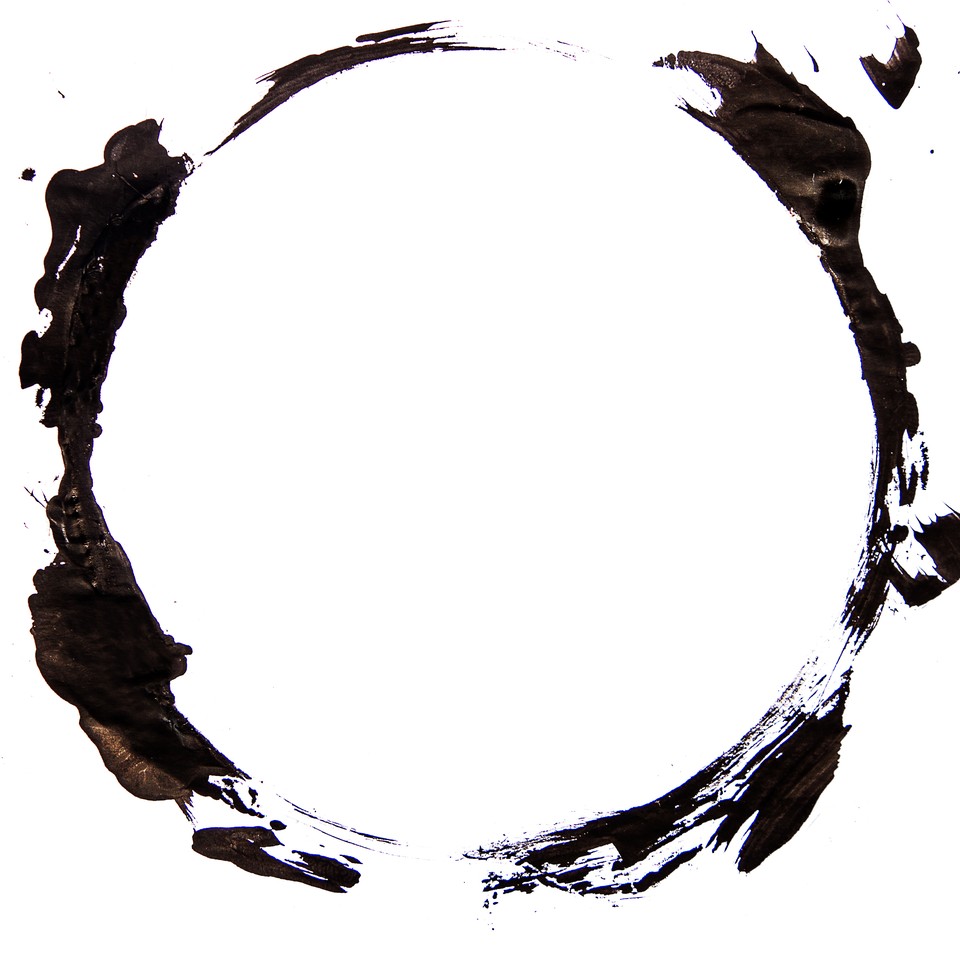
The image is experienced as integrated, whole or closed. We compensate for the gaps to make sense of a picture, whenever and wherever possible and to make the picture regular and simple. This concept also applies to cognitive and emotional experiences. We are compelled to ‘complete the picture’ of an experience, and to complete it in as regular, balanced and simple a way as possible. We need closure in any interaction in order for it to be satisfying and complete.
If I pose the age old joke ‘Why did the chicken cross the road?’, you try to complete it given the versions you know. Notice your reaction when I say ‘The answer is at the end of this book’. An interest has been stimulated but is unfinished, resulting in mild frustration – the impact of an incomplete gestalt. Similarly, if you have felt aggrieved, you harbour a grudge. When you sort it out, the incident is finished and the gestalt is complete.
 +44 (0) 20 7127 5125
 Alumni Login